

 Atrial fibrillation (AFib) is the most common form of irregular heart rhythm, affecting millions worldwide. It’s a condition that can significantly impact quality of life, increasing the risk of stroke, heart failure, and other complications. While medications have long been the first line of treatment for AFib, advancements in medical technology have highlighted a more effective option: Atrial Fibrillation Ablation.
This minimally invasive procedure has gained recognition as a more reliable solution for treating AFib compared to medications. Below, we’ll explore why ablation is becoming the preferred choice for many patients and answer some common questions about the procedure.
Understanding Atrial Fibrillation Ablation
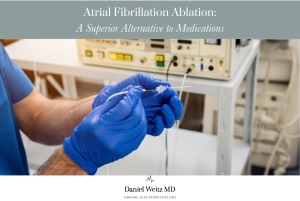
Atrial fibrillation ablation is a procedure designed to treat AFib by targeting the electrical pathways in the heart that cause irregular rhythms. During the procedure, catheters are inserted into the heart through blood vessels. These catheters deliver energy—commonly radiofrequency or cryoablation—to destroy small areas of heart tissue responsible for triggering or maintaining AFib.
The goal of the procedure is to restore normal heart rhythm, reduce symptoms, and improve the patient’s overall quality of life.
Why Ablation is More Effective Than Medications
1. Higher Success Rates
Medications such as anti-arrhythmic drugs aim to control the heart’s rhythm or rate. However, these drugs are often only partially effective and may lose efficacy over time. Ablation, on the other hand, addresses the root cause of the abnormal rhythm by directly targeting the problematic heart tissue. Studies have shown that ablation significantly improves rhythm control and reduces AFib recurrence compared to medications.
2. Improved Quality of Life
AFib symptoms, such as palpitations, fatigue, and shortness of breath, can severely impact daily activities. Patients who undergo ablation often report a dramatic improvement in their symptoms, enabling them to return to a more active and fulfilling lifestyle.
3. Reduced Long-Term Risks
AFib increases the risk of stroke and heart failure. While medications can help mitigate some of these risks, they do not address the underlying problem. Ablation reduces the long-term burden of AFib, offering better protection against stroke and other complications.
4. Minimized Medication Dependency
Anti-arrhythmic drugs can cause side effects such as dizziness, fatigue, and gastrointestinal issues. For many patients, ablation eliminates or reduces the need for these medications, enhancing overall well-being.
Who is a Candidate for Atrial Fibrillation Ablation?
Ablation is typically recommended for:
- Patients with persistent or symptomatic AFib who have not responded well to medications.
- Patients who experience significant side effects from AFib medications.
- Younger individuals or those without significant structural heart disease, as they may benefit more from a long-term solution.
The Procedure: What to Expect
- Pre-Procedure Preparation
- Patients undergo imaging and testing to map the heart’s electrical pathways.
- Sedation or general anesthesia is administered to ensure comfort.
- The Procedure
- Catheters are guided to the heart through veins in the groin or neck.
- Energy is delivered to ablate (destroy) the problematic tissue.
- The procedure typically takes 2-4 hours.
- Recovery
- Most patients can return home the same day or the next.
- Recovery time is minimal, with many resuming normal activities within a week.
Comprehensive Q&A About Atrial Fibrillation Ablation
Q: How effective is atrial fibrillation ablation?
A: Success rates for ablation vary based on individual factors, but studies report that up to 80% of patients experience significant improvement or resolution of their AFib after the first procedure. Repeat procedures, if needed, further increase success rates.
Q: Is ablation a permanent cure for AFib?
A: While ablation significantly reduces or eliminates AFib episodes, there is no absolute guarantee of a permanent cure. Lifestyle changes and regular follow-ups are essential to maintain heart health.
Q: Are there risks involved in the procedure?
A: As with any medical procedure, ablation carries some risks, including bleeding, infection, or damage to surrounding heart tissue. However, complications are rare, and the benefits often outweigh the risks for eligible patients.
Q: Can I stop taking medications after ablation?
A: Many patients can reduce or discontinue certain medications after a successful ablation, but this decision should be made in consultation with your doctor.
Q: How long does it take to see results?
A: Most patients notice symptom improvement within a few weeks after ablation. However, it’s normal to experience occasional irregular heartbeats as the heart heals.
Why Choose Dr. Daniel Weitz, MD, FHRS, for Atrial Fibrillation Ablation?
Dr. Daniel Weitz is a dual board-certified electrophysiologist with over 15 years of experience in diagnosing and treating arrhythmias. He is certified in both Cardiology and Clinical Cardiac Electrophysiology and completed his post-doctoral training at New York University and Columbia University.
As Medical Director of the Electrophysiology Laboratory at Holy Cross Hospital, Dr. Weitz leads advancements in arrhythmia care. He is also a Fellow of the Heart Rhythm Society and holds key leadership roles at Holy Cross Hospital.
He specializes in AFib ablation, a procedure that restores normal heart rhythm in AFib patients. Dr. Weitz has authored influential research published in journals like International Journal of Cardiology and Cardiology in Review.
With over 15 years of clinical expertise and a personalized approach to care, Dr. Daniel Weitz is a trusted leader in the field of cardiac electrophysiology. His practice in Fort Lauderdale, FL uses the latest advancements in cardiac technology to deliver exceptional patient outcomes.
Contact Information: Dr. Daniel Weitz, MD, FHRS
4725 N Federal Hwy #401
Fort Lauderdale, FL 33308
Phone: (954) 772-2136
If you’re struggling with atrial fibrillation and want to explore whether ablation is the right option for you, don’t hesitate to contact Dr. Weitz’s office. Take the first step towards reclaiming your health and enjoying a life free from the burdens of AFib.